Shipping is €3.90 | Free for orders over €50
Shipping is €3.90 | Free for orders over €50
From the Counts of Buscareto, we have inherited a deep bond with the land—a connection that has remained alive and has been passed down through generations. We have chosen to honor this legacy by meticulously reconstructing every detail, every intrigue, and every heroic deed of the Counts of Buscareto, weaving together a tale of glory and courage.
To preserve their memory, we entrusted Virginio Villani, a renowned historian and scholar of our region, with the task of rebuilding the history of the Counts—from their rise to their fall—so that they will never be forgotten.
Between two rivers stretch the rolling hills of the Marche region, once the stage for the exploits of the Buscareto family, who dominated the province of Ancona for three centuries, from the 13th to the 15th century.
Their story is steeped in conflict, bloodshed, betrayals, and shifting alliances—a relentless struggle for political and social power, bringing them into repeated clashes with the Papal Government.
In this book, Villani reconstructs the complex history of the Buscareto family, paying tribute to a lineage that shaped the fate of the Marche region.
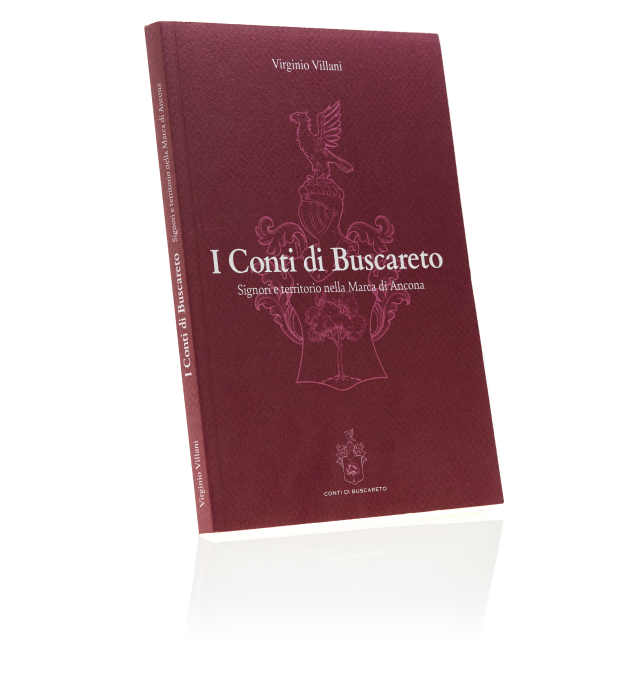
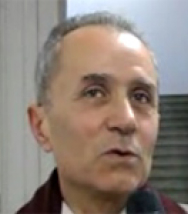
Virginio Villani - Author of the Book
A professor of history and literature, Virginio Villani is a renowned expert on the history of the Marche region, an invaluable resource for anyone wishing to delve deeper into this subject.
In 1988, he earned his PhD at the University of Perugia and is currently a member of the Deputazione di Storia Patria delle Marche.
Throughout his career, Villani has focused on historical research, particularly on noble families of medieval Marche. His extensive academic work includes numerous publications, such as:
📖 Regesti di Rocca Contrada. Spoglio delle pergamene dell'archivio storico comunale di Arcevia (Vol. I - 1988, Vol. II - 1997)
📖 I processi storici di trasformazione del sistema insediativo. I centri murati in età medievale (2004)
📖 Rocca Contrada (Arcevia). Ceti dirigenti, istituzioni e politica dalle origini al sec. XV (2010)